The Work Of Civil Society
Introduction
The year 2025 marked a foundational and growth-focused period for the Network Against Human Trafficking and Smuggling of Migrants (NAHUSOM-Kenya). The network strengthened its governance systems, formalized technical coordination structures, enhanced communication and visibility platforms, deepened inter-agency collaboration, and actively engaged in national and international anti-trafficking and smuggling advocacy spaces.
Key areas of progress included:
- Institutional and governance development
- Survivor protection coordination
- National and regional policy engagement
- Diplomatic and cross-border partnerships
- Prevention through community and faith-based structures
These efforts collectively reinforced NAHUSOM’s 4Ps Framework (Prevention, Protection, Prosecution, and Partnerships) positioning the network as an emerging national coordination platform in Kenya’s response to human trafficking, smuggling and irregular migration.
Key Milestones
Official Launch and Stakeholder Recognition
NAHUSOM-Kenya was officially launched on 5th December 2024 with representation from:
- Ministry of Foreign Affairs (Diaspora Department)
- Ministry of Labor
- Immigration Department
- Children’s Department
- U.S. Embassy
- CIVIPOL
- Civil Society Organizations
This launch formally positioned NAHUSOM-Kenya as a leading actor within Kenya’s anti-trafficking coordination framework.
Above: Group photo during the official launch of NAHUSOM Kenya with government and bi-lateral/development partners and civil society actors.
Media Engagement on Forced Criminality (Myanmar Cybercrime Scams)
NAHUSOM-Kenya issued a public press statement calling for a Commission of Inquiry into human trafficking linked to forced criminality in Myanmar cybercrime scams. The statement, delivered at a high-profile event at Meridian Hotel, received extensive national media coverage, strengthening public awareness and policy discourse. Following the media, brief NAHUSOM-Kenya received an invitation from the principal secretary, ministry of foreign affairs (diaspora)where a collaborative working framework was developed and agreed on. The collaboration has since thrived into practical solutions.
Establishment of a Survivor Referral Pathway
NAHUSOM-Kenya strengthened its survivor response system through a structured referral pathway. Set Free to Thrive (SFT), a key NAHUSOM member played a key role in managing cases from forced criminality during which time a landmark case was ruled in her favor by the High court of Kenya and a number of survivors received refunds from the trafficking agents as compensation.
Coordinated Support for Nepalese Victims of Trafficking
Through collaboration among NAHUSOM members, the network was able to receive and coordinate a request by the government to protect a group of Nepalese victims of trafficking by provision of shelter services. Among the international aligned to this protection included:
- Case management
- Logistical support
- Medical care
- Psychosocial support
The NAHUSOM support was made possible by a collective financial contribution towards the upkeep and all the above-mentioned innervations while the group was housed at the CHTEA shelter. The victims were eventually moved back to their country through a seamless working arrange between the Government of Kenya and the NAHUSOM-Kenya network.
Francine’s Repatriation Case
Francine, a Burundian mother of five was referred to NAHUSOM-Kenya from UNHCR. She was trafficked under false employment promises by an individual well known to her but was abandoned in Nakuru-Kenya and was able to find her way to UNHCR offices in Nairobi-Kenya. and abandoned in Kenya. Through a coordinated intervention by NAHUSOM-Kenya, and a City County Shelter, Francine received protection and was safely repatriated. While being processed at the shelter NAHUSOM members were able to mobilize resources that enabled her to travel back home safely. She was further connected to Talitha Kum Burundi who committed to continue supporting the family. NAHUSOM used the survivor centered protection model to process Francine’s case.
Regional and Technical Coordination
NAHUSOM members participated in various consultative and multisectoral platforms both at the sub regional and Africa Union levels. These ensured that civil society perspectives. informed sub regional and Africa union level migration discourses, particularly regarding gender, vulnerability, smuggling, irregular migration and protection issues, among others.
Strategic and Government Diplomatic Engagement
During the period under review, NAHUSOM-Kenya engaged government and bilateral partners. Such as; Government, Ministry of labour and social protection, Ministry of foreign and diaspora affairs, Ministry of EDUCATION, Canadian High Commission, U.S. Embassy, and Austrian embassy.
These engagements strengthened civil society inclusion in anti-trafficking strategies both at Country, sub regional, Africa and international levels.
Meeting with the Principal Secretary, Diaspora Affairs
NAHUSOM held a high-level meeting with PS Roseline Njogu. Discussions centered on:
- Protection of vulnerable migrants
- Diaspora rights
- Legislative advocacy
- Joint anti-trafficking frameworks
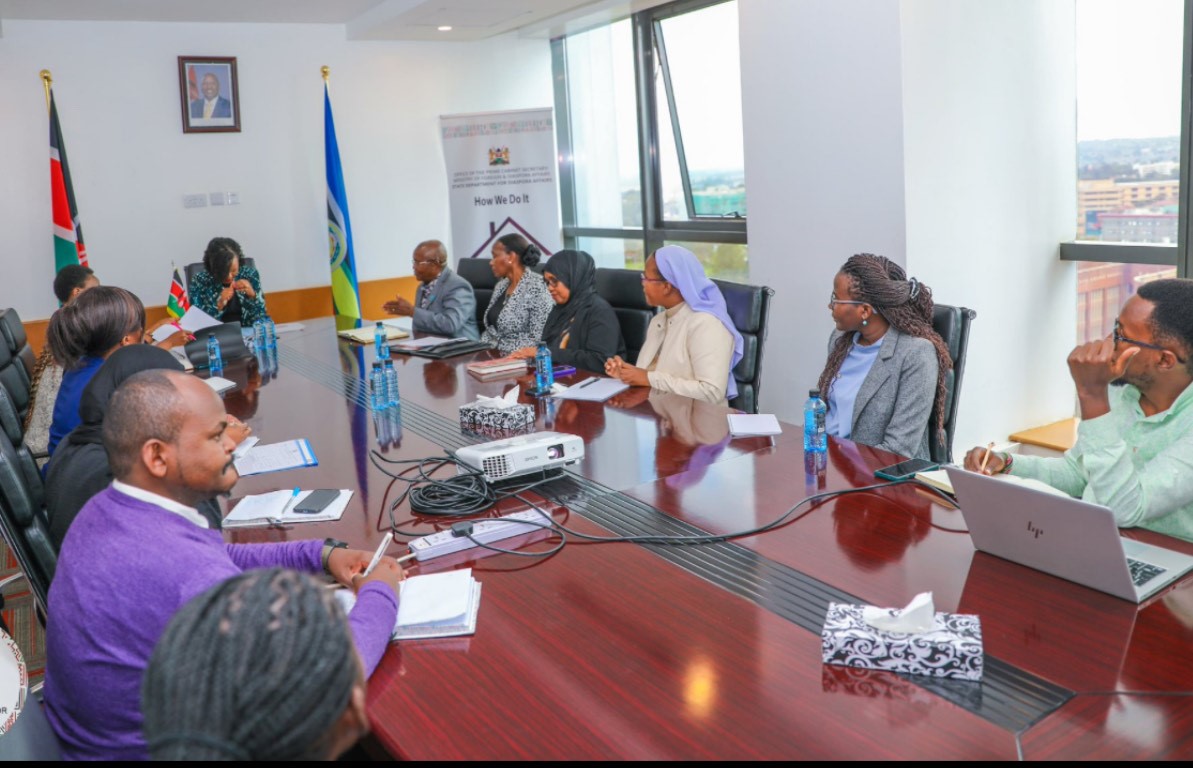
Above: NAHUSOM delegation led by Mutuku Nguli (CHTEA) during a meeting with the Principal Secretary, Ministry of Foreign Affairs (Diaspora Affairs); Ms. Roselyn Njogu
World Day Against Trafficking in Persons
NAHUSOM provided comprehensive technical and community mobilization support to the Government of Kenya during the commemoration of the World Day Against Trafficking in Persons (WDATIP) held in Nakuru County. The support focused on strengthening prevention, protection, and multi-sectoral coordination efforts in line with national anti-trafficking priorities.
Specifically, NAHUSOM supported the government through:
- Technical participation in planning and coordination meetings led by county and national stakeholders, including representatives from the Ministry of Labour and Social Protection, Directorate of Criminal Investigations (DCI), and county administration.
- Community mobilization and sensitization, engaging local communities, youth groups, and grassroots leaders to raise awareness on human trafficking indicators, reporting mechanisms, and available survivor support services.
- Information dissemination, including distribution of IEC materials on safe migration, trafficking risks, and referral pathways.
- Stakeholder engagement, fostering collaboration between civil society organizations, government agencies, faith-based institutions, and community leaders to strengthen local anti-trafficking networks.
Through this support, NAHUSOM contributed to increased public awareness on human trafficking, improved coordination among duty bearers, and reinforced the government’s efforts to promote prevention, protection, and prosecution in line with the Counter-Trafficking in Persons Act.
16 Days of Activism Against Gender-Based Violence
During the 16 Days of Activism Against Gender-Based Violence (25 November – 10 December 2025), NAHUSOM, in collaboration with its member organizations, implemented a series of advocacy, prevention, and protection activities aimed at addressing gender-based violence (GBV) and its links to human trafficking and exploitation.
Key activities undertaken included:
- Community awareness forums conducted in targeted communities, reaching women, men, youth, and community leaders with messages on GBV prevention, survivor rights, and access to justice.
- Digital advocacy campaigns, utilizing social media platforms to amplify national and global advocacy messages, promote zero tolerance to GBV, and disseminate information on reporting and support services.
- Promotion of survivor-centered protection services, including referrals to medical, psychosocial, legal, and shelter services for survivors of GBV and trafficking.
- Strengthening referral linkages by reinforcing collaboration between community structures, civil society organizations, health facilities, law enforcement, and child protection actors.
- Engagement of youth and faith-based leaders, recognizing their critical role in influencing social norms, preventing violence, and supporting community-level accountability.
The 16 Days of Activism initiative emphasized the intersection between gender-based violence, human trafficking, and exploitation, highlighting how structural inequalities, economic vulnerability, and harmful social norms increase risks for women, girls, and marginalized groups. Through sustained advocacy and community engagement, the initiative reinforced prevention, protection, and survivor-centered response priorities while promoting collective action toward ending GBV and trafficking. This initiative emphasized the intersection between gender-based violence, trafficking, and exploitation, reinforcing prevention and protection priorities.
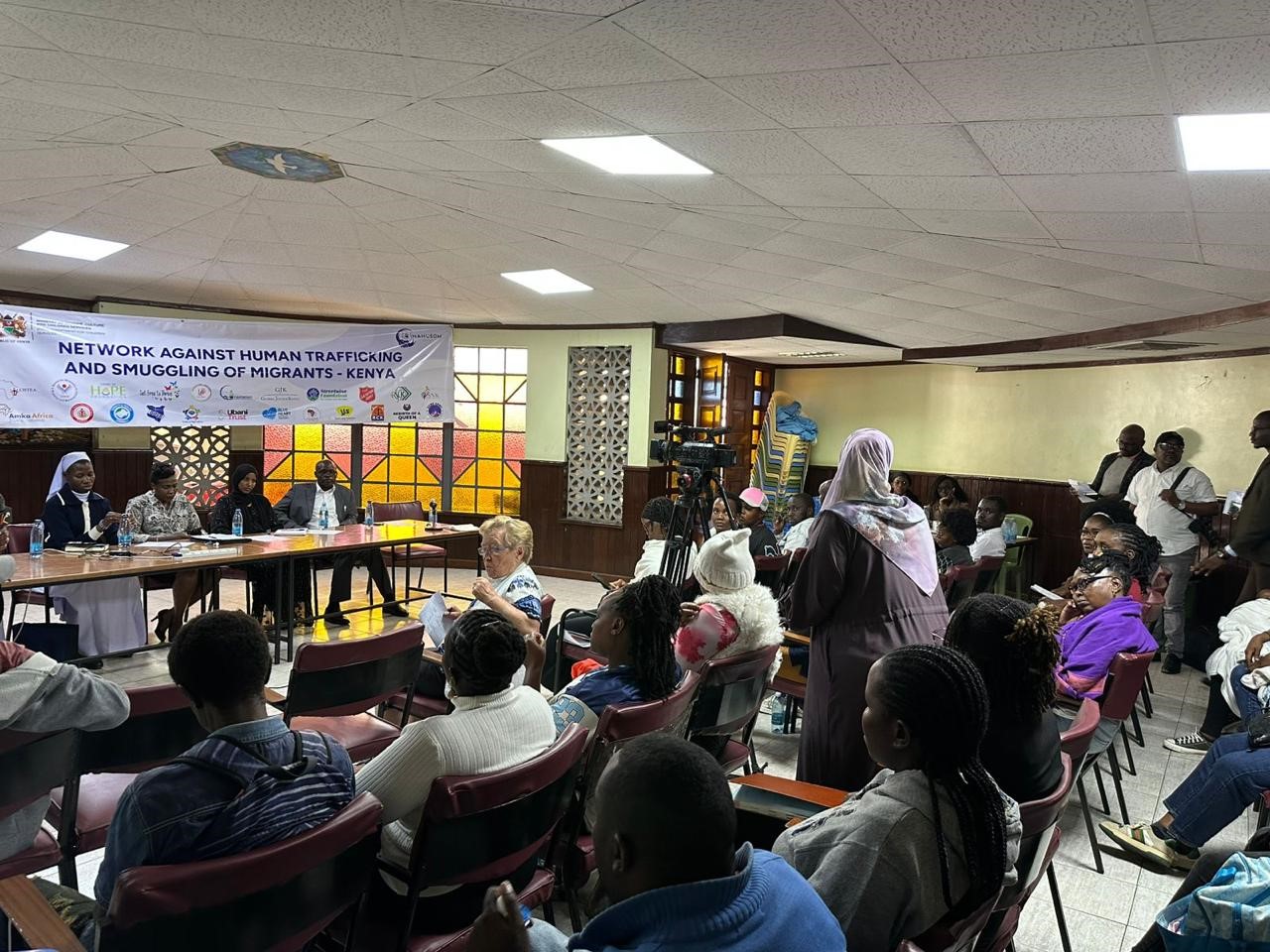
Above: NAHUSOM members and survivors marking the 16days of activism at the CHTEA head office precincts.
Prevention Through Faith-Based Engagement
Consolation EA and CHTEA conducted sensitization training for youth leaders from the Ngong Catholic Diocese, covering Narok, Kajiado, and Nairobi deaneries.
Key topics included:
- Human trafficking trends
- Victim identification
- Online recruitment scams
- Organ trafficking risks
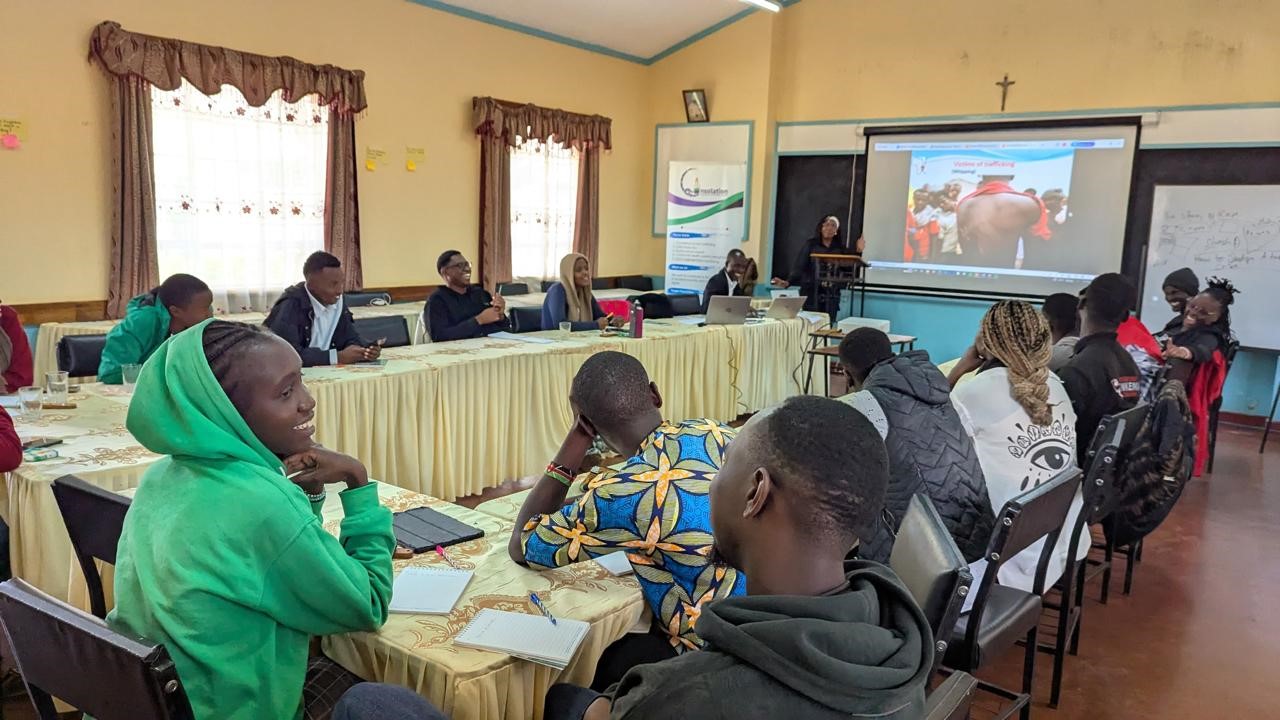
Youth leaders during faith-based sensitization training on trafficking prevention.
Strategic planning
TWG and Directors’ processes supported development of the 2026 Annual Work Plan using a practical working-session model.
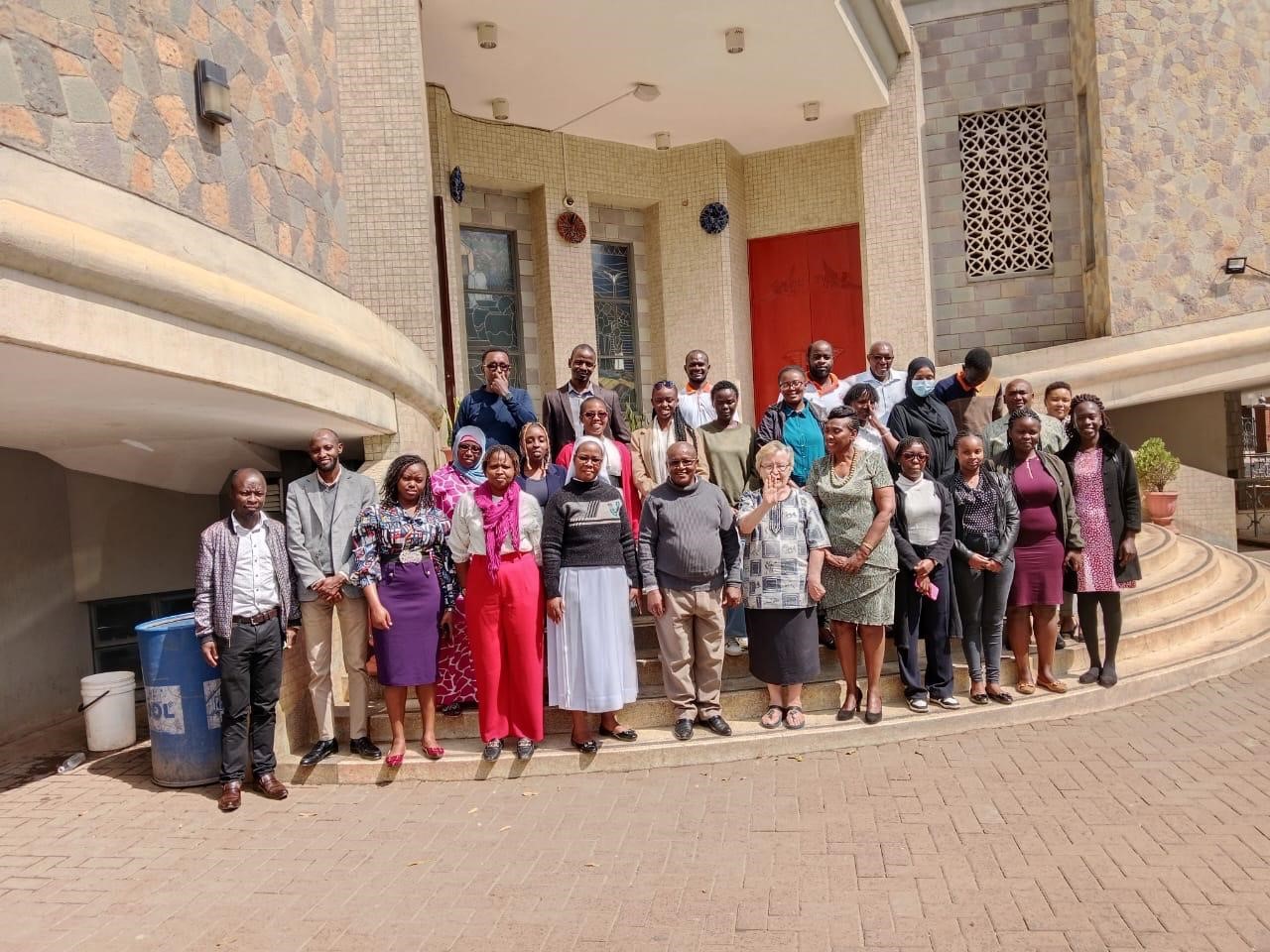
NAHUSOM members’ group photo during annual planning meeting
Engagement with the U.S. Embassy
Discussions focused on; Labor migration governance, Corruption risks, Funding gaps, Localization of responses
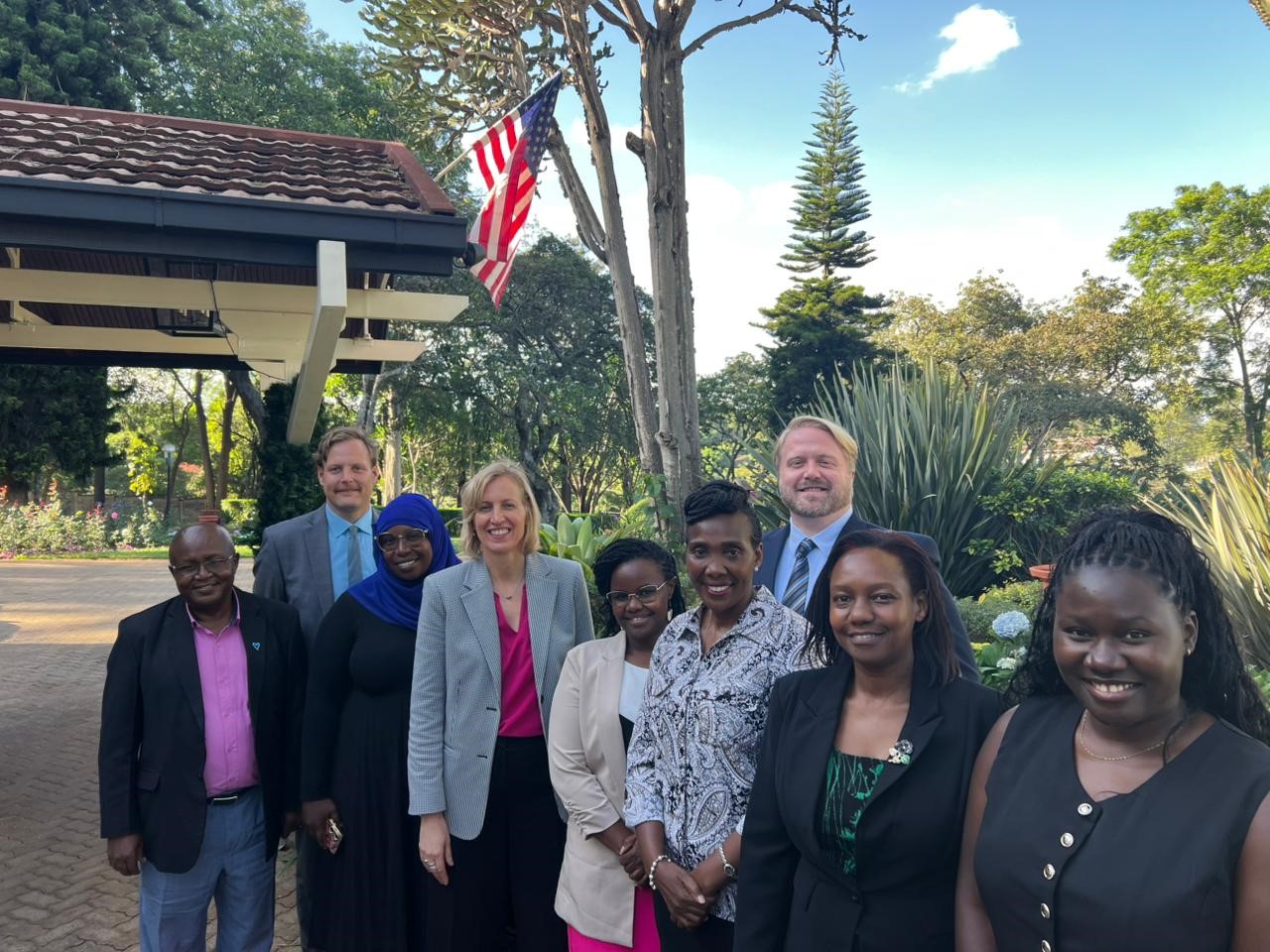
A CSO group photo with Ms. Susan M. Burns, (4th left) the Chargé d’Affaires at the U.S embassy, Nairobi.
Governance and Institutional Development
Technical Working Groups
To strengthen coordination, coherence, and strategic leadership across the network, NAHUSOM operationalized Technical Working Groups (TWGs) during the year under review. At the center of this structure is the Coordination and Strategy Technical Working Group (TWG), which serves as the lead and overarching technical body guiding all programmatic and operational work.
Coordination and Strategy Technical Working Group (Lead TWG)
This is the principal coordination and oversight mechanism within NAHUSOM. It provides strategic direction, ensures alignment with NAHUSOM’s mandate and governance framework, and oversees the effective functioning of all other TWGs. This working group generates all its mandate from what is discussed by the directors in their various meetings.
The key roles of the Coordination and Strategy TWG include:
- Providing overall strategic leadership and coordination for NAHUSOM’s technical and programmatic interventions.
- Overseeing planning, implementation, monitoring, and reporting processes across all TWGs.
- Ensuring compliance with adopted policies, governance standards, and ethical frameworks.
- Facilitating information flow and decision-making between the Secretariat, leadership, and member organizations.
- Consolidating inputs, priorities, and lessons learned from subsidiary TWGs to inform collective action and policy engagement.
2. Other Working Groups
Under the guidance and leadership of the Coordination and Strategy TWG, the following targeted working groups were fully operationalized as follows:
2.1 Communication
Responsible for communications, visibility, documentation, and knowledge management. This working group plays a crucial role in ensuring that NAHUSOM’s work, mission, and achievements are effectively communicated to diverse audiences. It manages internal and external communications including media relations, digital storytelling, publication of reports, and coordination of public information campaigns. Additionally, emphasis is placed on enhancing the use of social and digital media platforms to raise awareness about human trafficking, promote preventive measures, and amplify survivor voices. The group also documents key activities and lessons learned to strengthen institutional knowledge and share best practices within the network.
2.2 Advocacy
Responsible for coordinated advocacy, policy engagement, and campaign implementation. This working group leads NAHUSOM’s advocacy agenda by engaging with key policymakers, legislators, and development partners to promote evidence-based policies and legislative reforms related to human trafficking and migrant smuggling. It also spearheads national and county-level advocacy campaigns, aligning them with international commitments such as the Palermo Protocol and Sustainable Development Goals (SDGs). Through targeted campaigns, policy briefs, and coalition-building, the Advocacy TWG ensures that survivor protection, prosecution of traffickers, and prevention strategies remain national priorities.
2.3 Partnerships
Responsible for stakeholder engagement, strategic partnerships, and resource mobilization. This group plays a pivotal role in strengthening collaboration with government agencies, civil society organizations, international partners, and private sector actors involved in counter-trafficking. It focuses on developing joint initiatives, enhancing funding opportunities, and ensuring sustainability of interventions. The Partnerships TWG also facilitates coordination with regional and global networks, encouraging cross-border cooperation, knowledge sharing, and collective action against trafficking in persons.
The establishment of the Coordination and Strategy TWG significantly strengthened internal coordination, reduced duplication of efforts, enhanced accountability, and ensured a unified and strategic approach to NAHUSOM’s work at national and county levels.
NAHUSOM Membership
During the year under review, NAHUSOM strengthened its governance and institutional framework by adopting and operationalizing five key policy documents aimed at promoting accountability, transparency, ethical conduct, and effective risk management across the network and its member organizations.
The network has various policies e.g. whistle blowing policy, anti-corruption and bribery policy, complaints and procedures policy, risk and conflict management policy, data protection policy,
Membership Compliance
Joining NAHUSOM is conditional upon formal endorsement and signing of all five key policy documents, in addition to payment of the prescribed membership fee. This requirement ensures that all member organizations adhere to common governance standards, ethical principles, and accountability frameworks, thereby strengthening institutional coherence across the network.